Managing Sickle Cell Anaemia: A Guide for Patients from Africa
Sickle cell anaemia is a serious inherited blood disorder that affects millions of people worldwide with the highest prevalence in Africa. In many regions of the continent, this condition poses a major public health challenge due to limited awareness, late diagnosis and restricted access to specialised treatment. For patients, this often means recurring episodes of pain, frequent hospital visits and complications that affect everyday life. Understanding the disease and learning how to manage it effectively is vital for both patients and families. This comprehensive guide explains the condition, explores effective management approaches and provides insight into why international treatment, especially in India is helping African patients access better outcomes.
Understanding Sickle Cell Anaemia
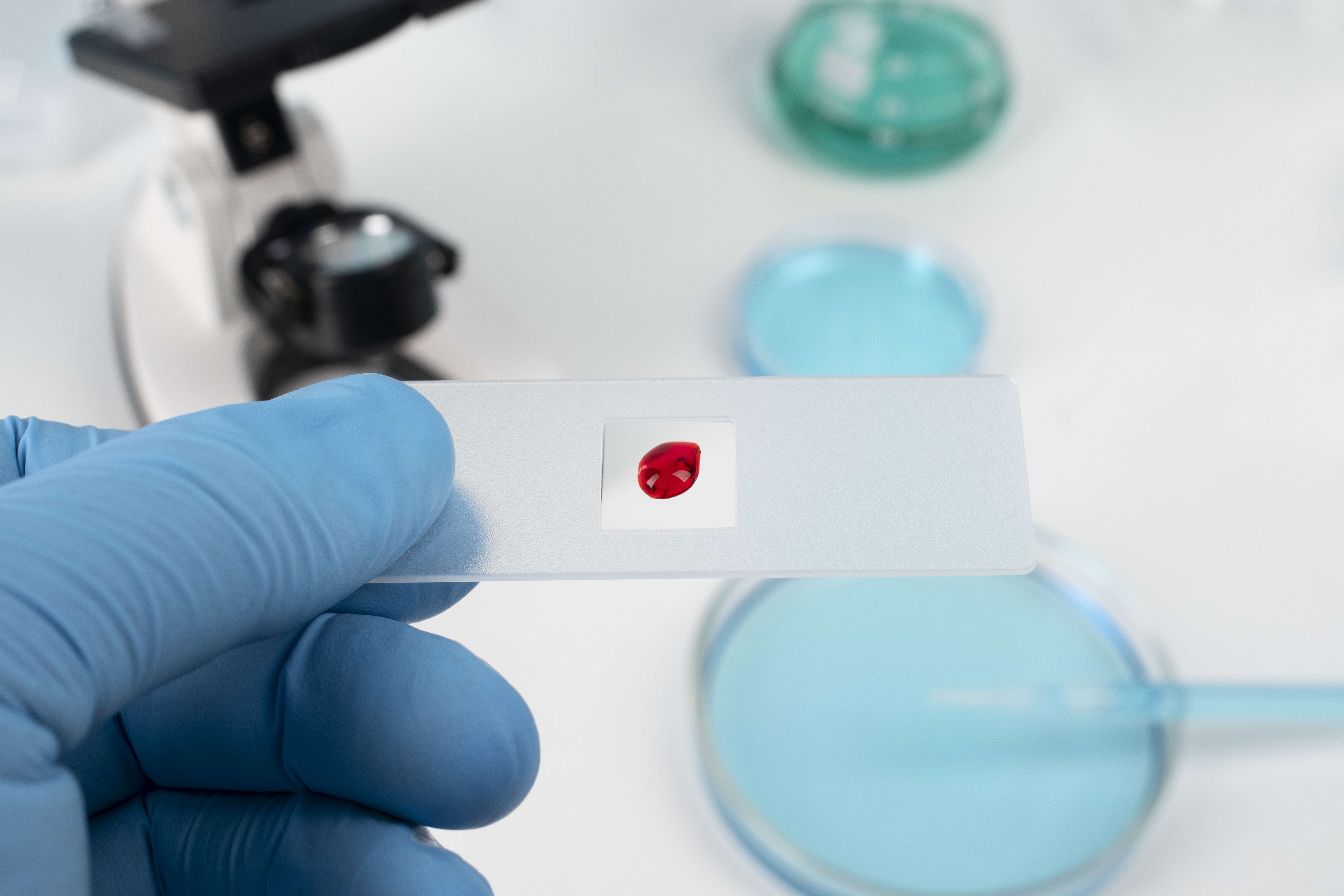
Sickle cell anaemia results from an inherited defect in the haemoglobin gene, causing red blood cells to take on a crescent or ‘sickle’ shape rather than their normal round form. These cells have a shorter lifespan and can block blood flow in small vessels and reduce the amount of oxygen reaching tissues and organs.
Patients often experience pain crises—episodes of intense pain along with anaemia, swelling of the hands and feet, repeated infections, delayed development and vision issues. Over time, sickle cell anaemia can also lead to complications such as stroke, pulmonary hypertension, kidney disease and damage to other organs. Since symptoms vary widely, patients require individualised management plans tailored to their needs.
The Importance of Early Diagnosis
Early detection plays a crucial role in managing sickle cell anaemia. Newborn screening programmes are available in some African countries but coverage is often limited. Early diagnosis allows doctors to begin preventive treatments such as antibiotics and vaccinations in order to protect against infections that are particularly dangerous for patients with sickle cell disease.
Families should remain alert to symptoms such as persistent fatigue, frequent pain or unexplained swelling in children. Early medical intervention can help avoid serious complications and improve long-term health outcomes.
Treatment Options for Sickle Cell Anaemia
Managing sickle cell anaemia involves a combination of approaches than include:
- Medication: Hydroxyurea is commonly prescribed to reduce the number of sickle cells and painful episodes. It also lowers the need for frequent blood transfusions.
- Blood Transfusion Therapy: Regular transfusions are given to reduce the risk of stroke, manage anaemia and improve oxygen delivery throughout the body. Exchange transfusions where sickled blood is removed and replaced, are often used in severe cases.
- Stem Cell Transplant or Bone Marrow: At present, the only possible cure for sickle cell anaemia is a bone marrow or stem cell transplant. While not suitable for all patients, it can be highly effective in selected cases, particularly in children with a suitable donor.
- Support and Care: Managing pain, preventing infections through antibiotics and vaccinations and ensuring proper nutrition all play a vital role in supporting health.
These treatment options are tailored to the severity of the disease and the individual patient’s condition.
Lifestyle and Self-Care for Patients
Alongside medical treatment, lifestyle management is essential for reducing complications. Patients are advised to:
- Stay well hydrated to prevent sickling episodes
- Avoid extreme temperatures and strenuous exercise
- Maintain a nutritious diet rich in vitamins and minerals
- Get regular health check-ups and vaccinations
- Manage stress which can trigger pain crises
Families and caregivers also play an important role in supporting patients to ensure that they adhere to treatment schedules and monitoring any warning signs that require urgent care.
Challenges in Africa
While awareness of sickle cell anaemia is increasing, patients in Africa often face significant barriers to effective management. Limited access to diagnostic facilities, shortages of trained specialists and high treatment costs remain major obstacles. In many regions, blood transfusion services are not consistently available and bone marrow transplants are rarely performed due to lack of infrastructure.
These challenges lead some patients and families to explore medical treatment outside their home countries. India, in particular, has become a leading choice due to its advanced medical technology, skilled haematologists and affordability compared to Western countries.
Why India Is a Preferred Destination
India has developed a strong reputation for treating blood disorders including sickle cell anaemia. Hospitals are equipped with modern laboratories, safe blood banks and advanced transfusion units. Patients also benefit from multi-disciplinary care, where haematologists, paediatricians, genetic counsellors and nutritionists work together to provide comprehensive treatment.
For African patients the cost of the treatment is another major factor. In India, treatment costs are significantly more affordable than in Europe or the United States, yet the quality of care remains world-class. Hospitals also provide international patient services, offering assistance with travel, accommodation and coordination of treatment plans. This makes India an accessible and reliable destination for sickle cell care.
NoorMediCare: Helping African Patients Access Care
NoorMediCare assists patients from across Africa in accessing advanced treatment for sickle cell anaemia in India. Our team provides end-to-end support that include hospital selection, appointment scheduling, travel arrangements and post-treatment guidance. By connecting patients with India’s top haematologists and leading hospitals, NoorMediCare ensures that every patient receives personalised and high-quality care in a supportive environment.
With NoorMediCare, families can focus on the patient’s health and recovery while the logistical and organisational aspects of medical travel are professionally handled.
Conclusion
Despite existing challenges in Africa, patients have access to effective treatments that include blood transfusions, proper medication and bone marrow transplants. With the right medical approach, patients can reduce complications and enjoy a better quality of life.
For patients and families in Africa seeking advanced treatment options, NoorMediCare can connect you with world-class hospitals and specialists in India. Visit NoorMediCare today to begin your journey toward safe, affordable and effective care. We will support you every step of the way so we can ensure that you or your loved one receives the best possible treatment for sickle cell anaemia.