
Nuclear Medicine
Best Nuclear Medicine Hospitals and Physicians in India
Nuclear medicine is a specialized area of medicine that uses small amounts of radioactive materials to diagnose and treat various health conditions. The best nuclear medicine doctors in India play a crucial role in providing advanced medical care, offering valuable insights into diseases that may not be visible through traditional imaging methods. These specialists are trained to interpret the results of nuclear medicine procedures, helping to guide treatment plans for patients.
Nuclear Medicine Hospitals in India are equipped with state-of-the-art technology and offer a range of services, including diagnostic imaging and therapeutic procedures. These hospitals are staffed by highly qualified professionals who ensure patient safety and comfort during examinations.
When searching for the best nuclear medicine doctors in India, it's essential to consider their experience, expertise, and the technology available at their facilities. By choosing a qualified nuclear medicine physician, you can access effective diagnosis and treatment options that may significantly improve your health outcomes.
What is Nuclear Medicine?
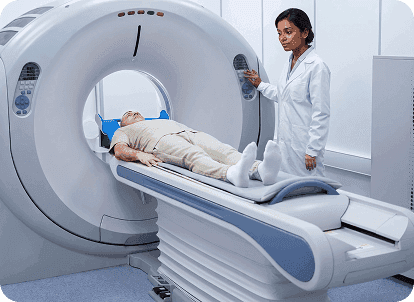
Specialized imaging and diagnostic techniques using radiopharmaceuticals to assess organ function.
Conditions Treated by Nuclear Medicine Hospitals in India
1. Cancer
Detection, staging, and treatment of various cancers, including lymphoma, thyroid cancer, and neuroendocrine tumors.
2. Thyroid Disorders
Management of conditions such as hyperthyroidism, hypothyroidism, and thyroid nodules.
3. Heart Disease
Evaluation of coronary artery disease, heart function, and myocardial perfusion.
4. Bone Disorders
Diagnosis and monitoring of conditions like osteoporosis, bone infections, and metastatic bone disease.
5. Neurological Disorders
Assessment and management of conditions such as Alzheimer’s disease, Parkinson’s disease, and epilepsy.
6. Pulmonary Disorders
Diagnosis of pulmonary embolism and other lung diseases using lung scintigraphy.
7. Kidney Disorders
Evaluation of kidney function and detection of conditions like renal obstruction or infection.
8. Gastrointestinal Disorders
Diagnosis of conditions affecting the digestive system, including gastrointestinal bleeding and biliary obstructions.
9. Infectious Diseases
Detection of infections and inflammation in various organs using radiotracers.
10. Endocrine Disorders
Assessment of hormonal imbalances and disorders affecting glands such as the adrenal and pituitary glands.
Common Procedures in Nuclear Medicine
1. Positron Emission Tomography (PET) Scan
A PET scan uses a radioactive tracer to visualize metabolic processes in the body, commonly used in oncology to detect cancer and assess treatment response.
2. Single Photon Emission Computed Tomography (SPECT) Scan
This imaging technique provides detailed 3D images of blood flow and metabolic activity in organs, often used for cardiac imaging and evaluating brain disorders.
3. Bone Scan
A bone scan involves injecting a radiotracer to detect bone diseases, infections, or fractures by highlighting areas of increased bone metabolism.
4. Thyroid Scans
These scans assess thyroid function and structure by measuring the uptake of radioactive iodine, helping diagnose conditions like hyperthyroidism and thyroid nodules.
5. Renal Scintigraphy
This procedure evaluates kidney function and blood flow by using a radiotracer, assisting in diagnosing conditions such as kidney obstruction or infection.
6. Lung Scintigraphy
A lung scan assesses blood flow and air distribution in the lungs, often used to diagnose pulmonary embolism or other lung conditions.
7. Gallium Scan
This scan uses gallium-67 to detect infections, inflammation, or tumors in various body tissues, particularly useful for lymphoma evaluation.
8. Myocardial Perfusion Imaging
This technique evaluates blood flow to the heart muscle using a radiotracer, helping diagnose coronary artery disease.
9. Liver and Spleen Scans
These scans assess liver and spleen function and can detect conditions such as cirrhosis or tumors.
Why Choose NoorMediCare for Nuclear Medicine Physician in India?
Expert Team: Our hospital is staffed with some of the Best Nuclear Medicine Doctors in India, ensuring you receive top-notch care.
Experienced Physicians: Our nuclear medicine physicians in India have extensive training and experience in advanced diagnostic and therapeutic techniques.
State-of-the-Art Facilities: We use the latest technology and equipment for accurate diagnosis and effective treatment.
Comprehensive Services: We offer a wide range of nuclear medicine procedures according to individual patient needs.
Patient-Centric Care: Our focus is on providing personalized care, making sure you feel comfortable and informed throughout your treatment journey.
Affordability: We provide high-quality services at competitive prices, making nuclear medicine accessible to all patients.
Supportive Environment: Our dedicated staff is here to assist you every step of the way, ensuring a smooth and supportive experience.
What is Nuclear Medicine?
Nuclear medicine is a specialized branch of medical imaging and therapy that uses small amounts of radioactive materials, known as radiopharmaceuticals, to diagnose and treat various health conditions. Unlike traditional imaging techniques, which focus on anatomical structures, nuclear medicine provides information about the physiological functions of the body.
Key Features of Nuclear Medicine:
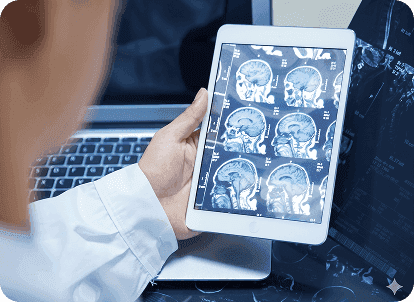
Diagnostic Imaging: Nuclear medicine uses techniques like Positron Emission Tomography (PET) and Single Photon Emission Computed Tomography (SPECT) to create images of the body. These images help in assessing how organs and tissues are functioning, making it useful for early detection of diseases, particularly cancer and cardiovascular conditions.
Therapeutic Applications: In addition to diagnosis, nuclear medicine is also used for treatment. For instance, certain types of cancer can be treated with targeted radioactive isotopes, which deliver radiation directly to the tumor while minimizing damage to surrounding healthy tissue.
Non-Invasive Procedure: Most nuclear medicine procedures are non-invasive and involve minimal discomfort. Patients may be asked to ingest or receive an injection of the radiopharmaceutical, which will accumulate in specific organs or tissues.
Real-Time Monitoring: The imaging techniques used in nuclear medicine allow for real-time monitoring of how well treatments are working, providing valuable information for adjusting patient care plans.