

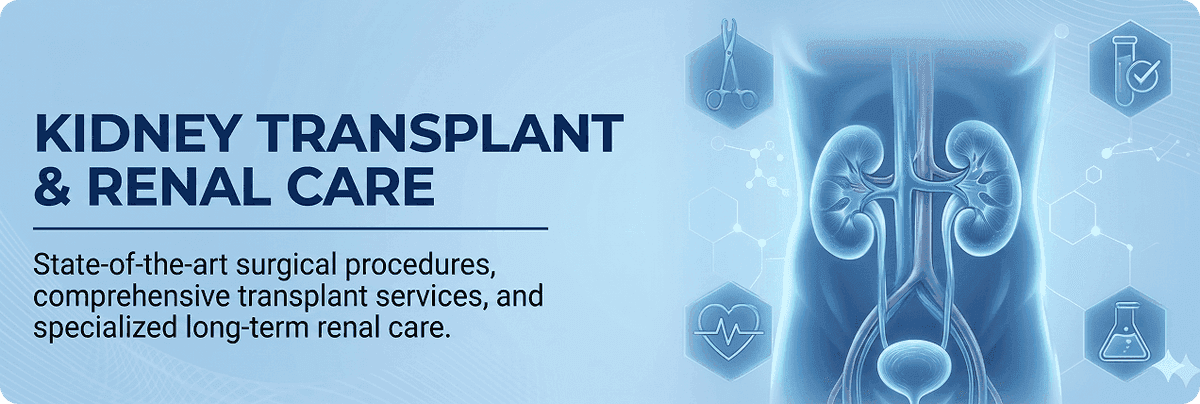
Kidney Transplant
Kidney Transplant Surgery in India (Best Doctors & Hospitals)
Kidney transplant surgery in India is a life-saving procedure for patients with end-stage kidney disease or kidney failure. India is known for its advanced medical facilities and experienced doctors, making it one of the most trusted destinations for kidney transplants.
We, at NoorMediCare, partner with the best hospitals in India for kidney transplantation, ensuring that you receive top-quality care at every step of the process. These hospitals are equipped with state-of-the-art technology and offer personalized care, from initial diagnosis to post-surgery recovery.
Our team helps you connect with the best kidney doctor in India, known for expertise and high success rates. Whether you are looking for a living or deceased donor transplant, NoorMediCare is here to guide you through the entire process, providing affordable treatment options and comprehensive support.
What is Kidney Transplantation?
A kidney transplant is a surgical procedure where a diseased or non-functioning kidney is replaced with a healthy kidney from a donor. It is generally recommended for patients with end-stage kidney disease or kidney failure, when the kidneys can no longer effectively filter waste and excess fluids from the blood. The goal of a kidney transplant is to restore normal kidney function, eliminating the need for dialysis and improving the patient's quality of life. The surgery is followed by a recovery period and lifelong use of immunosuppressive medications to prevent the body from rejecting the new kidney.
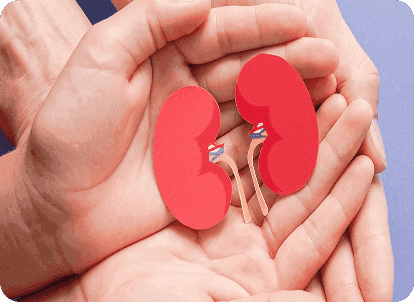

Types of Kidney Transplant
There are two main types of kidney transplants:
1. Living Donor Transplant
A healthy kidney is donated by a living person, often a relative or friend.
2. Deceased Donor Transplant
A kidney is taken from a recently deceased individual who had agreed to organ donation.
Diagnostic Tests Before Kidney Replacement Surgery
At a kidney transplant hospital in India, the following tests are conducted:
1. Blood Tests
To determine blood type, tissue matching, and antibody levels for donor compatibility.
2. Urine Tests
To assess kidney function and check for infections.
3. Imaging Tests
Ultrasound or CT Scan to examine the kidneys and surrounding organs.
4. Electrocardiogram (ECG)
To evaluate heart health and ensure it is strong enough for surgery.
5. Chest X-Ray
To check lung health and detect any infections or other issues.
6. Kidney Biopsy
In some cases, a small tissue sample is taken to assess kidney damage.
7. Infectious Disease Screening
To check for conditions like HIV, hepatitis, and tuberculosis.
8. Psychological Evaluation
To assess the patient mental and emotional readiness for the transplant.
Why Choose NoorMediCare for Kidney Transplant Surgery in India?
Access to Top Kidney Specialists: We connect you with the best kidney doctors in India, known for their expertise and high success rates in kidney transplants.
Partnership with Leading Hospitals: NoorMediCare partners with the best kidney transplant hospital in India, equipped with advanced technology and modern facilities.
Complete Patient Care: From pre-surgery evaluations to post-surgery follow-ups, we offer personalized care according to your needs. Our team ensures that you receive support and guidance throughout the entire transplant journey.
Affordable Kidney Transplant Surgery: NoorMediCare helps you access world-class kidney transplant surgery in India at an affordable cost compared to many other countries, without compromising on quality.
Hassle-Free Experience: We take care of all the details, including medical travel, visa arrangements, and accommodation, allowing you to focus on your health and recovery.
When is Kidney Transplantation Required?
End-Stage Kidney Disease: When the kidneys lose nearly all function, making dialysis necessary.
Chronic Kidney Failure: Due to long-term conditions like diabetes, high blood pressure, or glomerulonephritis.
Severe Kidney Damage: Resulting from repeated infections or long-term kidney disease.
Inherited Kidney Disorders: Conditions such as polycystic kidney disease that lead to kidney failure.
Dialysis Dependency: When dialysis is not enough to maintain a patient health or quality of life.
Kidney Transplant Surgery Procedure
1. Pre-Surgery Preparation: The patient is put under general anesthesia. The surgeon makes an incision in the lower abdomen, typically on one side.
2. Removal of Old Kidney: In most cases, the old kidneys are left in place unless they are causing complications, such as infection or high blood pressure.
3. Placing the Donor Kidney: The healthy donor kidney is placed into the abdomen. The surgeon connects the new kidney blood vessels to the recipient, and the ureter is connected to the bladder.
4. Closing the Incision: The incision is closed using stitches or staples, and a sterile dressing is applied.
5. Post-Surgery Recovery: The patient is closely monitored in the ICU. Immunosuppressive medications are started to prevent the body from rejecting the new kidney.
6. Recovery and Follow-Up: Most patients stay in the hospital for about 5-10 days, depending on their recovery progress. Regular follow-up visits are necessary.
Cost of Kidney Transplant Surgery in India
The cost of a kidney transplant in India ranges between INR 4.5 lakh to INR 7.5 lakh (approximately USD 5,400 to USD 9,000).
Factors Affecting Cost: Hospital and location, Surgeon fees, Pre-transplant evaluations and tests, Type of transplant (living donor or deceased donor), Post-surgery care and hospital stay, Immunosuppressive medications, Additional treatments or complications, and Travel and accommodation.