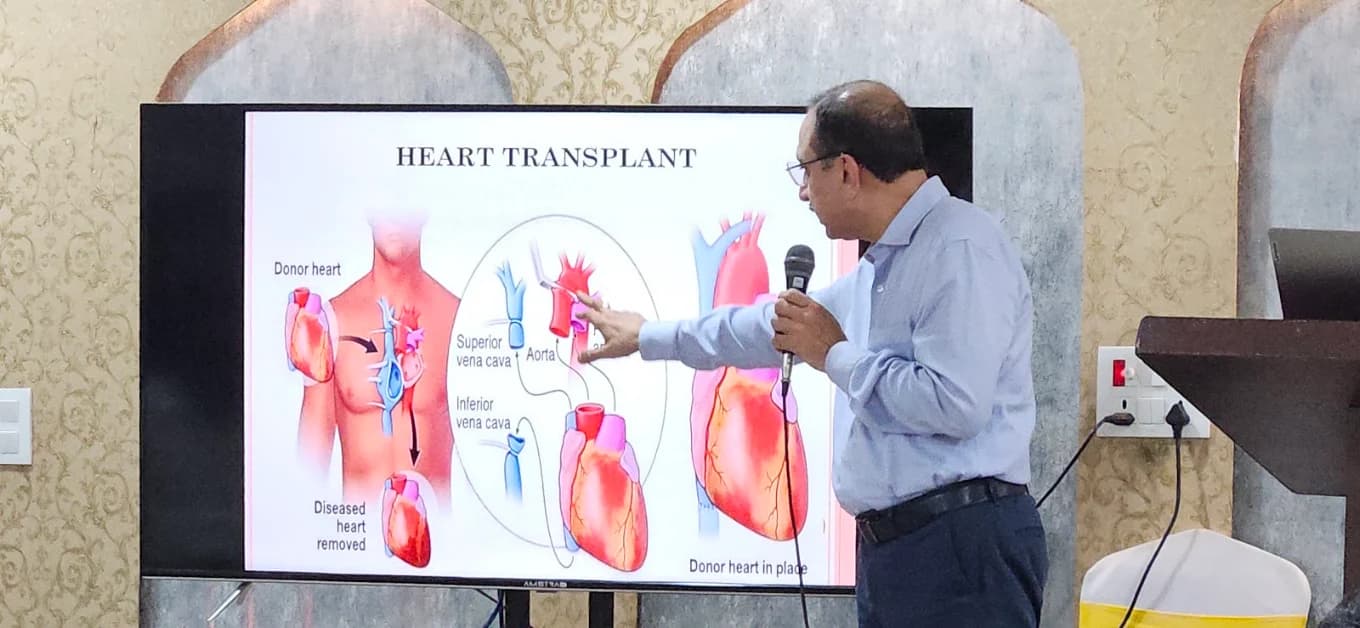

PPI-Permanent Pacemaker Implant - Double Chamber
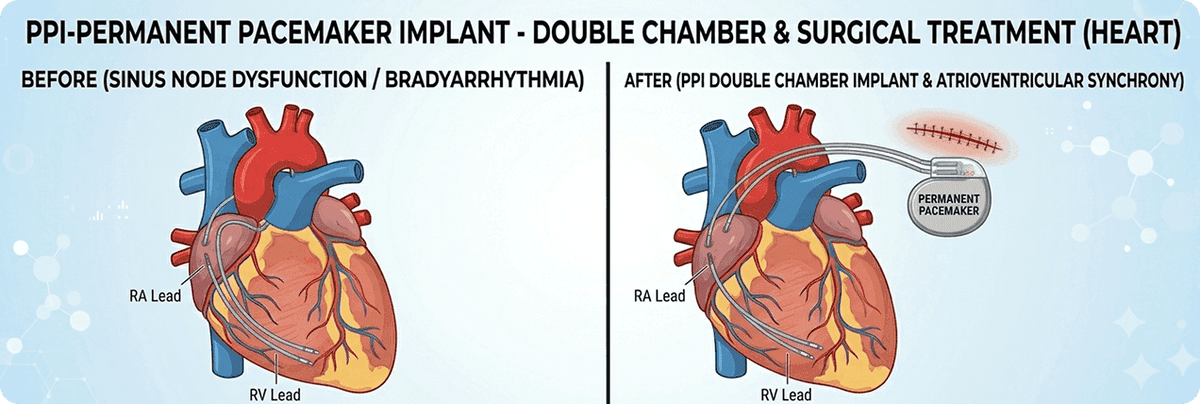
PPI-Permanent Pacemaker Implant - Double Chamber
A permanent pacemaker is a small electronic device implanted in your chest to help regulate your heartbeat. It's used to treat arrhythmias, which are abnormal heart rhythms.
Procedure for implanting a permanent pacemaker
A permanent pacemaker consists of two main parts: There are different types of pacemakers depending on the specific heart rhythm problem they address. Here are some common types: Implanting a permanent pacemaker is a minimally invasive procedure typically performed under local anesthesia with sedation. Here's a simplified rundown of the steps:
Who needs a permanent pacemaker?
Your doctor may recommend a permanent pacemaker if you have a heart rhythm disorder that causes symptoms like:
Point: The pacemaker constantly monitors your heart rhythm.
Point: If your heart rate becomes too slow (bradycardia), the pacemaker sends electrical signals to stimulate the heart muscle and make it contract, bringing your heart rate up to a normal range.
Point: Some pacemakers can also sense rapid heartbeats (tachycardia) and deliver low-energy shocks to correct the rhythm (although this is less common).
Pulse generator: This battery-powered device houses the circuitry that controls the pacemaker's functions. It's typically implanted under the skin in your upper chest, just below your collarbone.
Leads (electrodes): These are thin, insulated wires that transmit electrical signals between the pulse generator and your heart. One or more leads are inserted into your heart muscle through veins.
Single-chamber pacemaker: This type has one lead attached to either the right atrium (upper chamber) or the right ventricle (lower chamber) to regulate heart rate.
Dual-chamber pacemaker: This type has two leads, one in the right atrium and one in the right ventricle, allowing the pacemaker to coordinate the contractions of both upper and lower heart chambers.
Point: Slow heart rate (bradycardia) leading to dizziness, fatigue, or fainting
Point: Heart block, where electrical signals from the upper chambers don't reach the lower chambers effectively
Point: Certain types of fast heart rhythms (tachycardia) not controlled by medications (less common use)
Prep and anesthesia: The area for the incision is sterilized and numbed. You may also receive medication to help you relax.
Incision: A small incision is made in your chest, usually near your collarbone.
Lead placement: The leads are carefully inserted into your veins and guided to their positions within your heart.
Pulse generator placement: The pulse generator is placed in the pocket created under the skin in your chest.
Testing and connection: The leads are connected to the pulse generator, and the pacemaker is programmed to your specific needs. The doctor will test the pacemaker to ensure it's functioning properly.
Closure: The incision is closed with stitches or staples.
Recovery from pacemaker implantation
Most people with pacemakers can live active and fulfilling lives. However, there are some precautions to be aware of:
Point: You'll typically stay in the hospital for a short period for observation and to ensure the pacemaker is working correctly.
Point: Recovery at home is generally quick, with some discomfort at the incision site. You'll likely be able to resume most normal activities within a few days.
Point: It's important to avoid strenuous activity for a recommended period to allow the incision to heal properly.
Point: You'll need regular follow-up appointments with your doctor to monitor the pacemaker and adjust settings if needed.
Electromagnetic interference (EMI): Strong electromagnetic fields from certain appliances or equipment can interfere with pacemaker function. Your doctor will advise you on situations to avoid or manage cautiously. Cell phones generally don't pose a problem with current pacemakers.
Medical procedures: Inform your doctor about your pacemaker before undergoing any medical procedures, including MRIs (magnetic resonance imaging) as some may not be safe with certain pacemakers.
Detail: If you have concerns about your heart rhythm or think you might benefit from a pacemaker, consult your doctor. They can perform tests to diagnose any arrhythmias and discuss if a permanent pacemaker is the right treatment approach for you.
Risks and complications:
As with all clinical surgical treatments, there are standard associated parameters to consider:
Minor localized discomfort
Mild inflammatory responses
Our clinical coordinators are available to answer all questions regarding your diagnosis, recovery pathways, and clinical pricing structures in India.

Meet Our Other Related Doctors
Our Trusted Network of India's Top Hospitals
We partner with top-tier hospitals across India, ensuring world-class infrastructure, expert specialists, and internationally recognized standards of care - so you receive safe, reliable, and high-quality treatment at every step.
Real Stories of Care and Recovery
Hear from patients who trusted us with their care and experienced successful treatment journeys with confidence and support.

From the very first moment, he were proactive and truly attentive. He immediately reached out to me personally, called me to understand my situation in detail, and took the time to clarify every single question I had. I ...
98%
Of Patients Recommended NoorMedicare