
Heart Double Valve Replacement
Heart Double Valve Replacement
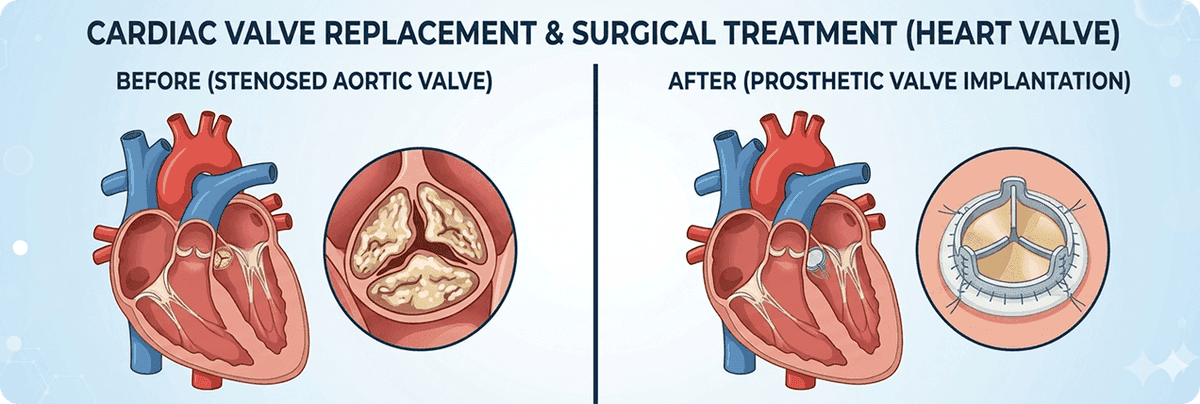
Double heart valve replacement, also known as double valve replacement surgery or DVR, is a major open-heart surgery to replace both the mitral valve and the aortic valve in the heart. These are the two valves on the left side of the heart.
Procedure for double valve replacement
Double valve replacement is a major surgery requiring general anesthesia and cardiopulmonary bypass. Here's a simplified breakdown of the steps involved:
Who is a candidate for double valve replacement?
DVR is typically performed when both the mitral valve and aortic valve are malfunctioning and cannot be repaired effectively. Here are some conditions that might necessitate this surgery:
Severe mitral regurgitation: This occurs when the mitral valve doesn't close properly, causing significant blood to leak backward.
Severe mitral stenosis: A severely narrowed mitral valve significantly obstructs blood flow.
Severe aortic stenosis: This is a narrowing of the aortic valve opening, which obstructs blood flow from the heart to the aorta.
Severe aortic regurgitation: This is a leakage of blood backward through the aortic valve when the heart relaxes.
Detail: These conditions, when severe and affecting both valves, can significantly impair heart function and lead to heart failure if left untreated.
Detail: DVR is a complex surgery and not suitable for everyone. Your doctor will consider several factors to determine if you're a candidate, including:
Severity of valve dysfunction: The degree of impairment in each valve plays a crucial role.
Overall health: Age, presence of other medical conditions, and ability to tolerate surgery are important factors.
Symptoms: The severity of symptoms like shortness of breath, fatigue, or chest pain is considered.
Median sternotomy: A large incision is made down the middle of the chest bone to access the heart and valves.
Cardiopulmonary bypass: The heart-lung bypass machine takes over the functions of the heart and lungs while the surgeon operates on the stopped heart.
Aortic valve replacement: The diseased aortic valve is removed and replaced with a prosthetic valve (mechanical or tissue).
Mitral valve replacement: The surgeon then accesses the mitral valve and removes the diseased valve before replacing it with a prosthetic valve.
Reattachment of coronary arteries: If necessary, the coronary arteries are carefully detached from the aorta and meticulously reattached to openings made in the graft for the aortic valve replacement, ensuring blood flow to the heart muscle.
Weaning off bypass and closure: Once both valves are replaced, the heart is gradually weaned off the bypass machine and allowed to resume beating on its own. The chest cavity is then closed with sutures or staples.
Recovery from double valve replacement
Recovery after DVR is an extended process requiring hospitalization for several days, followed by weeks to months of recovery at home. Here are some key aspects:
Pain management: Medication will be provided to manage pain and discomfort after surgery.
Physical therapy: Rehabilitation is crucial to regain strength, improve flexibility, and restore normal function.
Medication: You may need to take blood thinners (if mechanical valves are used) and medications to manage heart failure or other underlying conditions.
Lifestyle changes: Maintaining a healthy lifestyle with a balanced diet, regular exercise, and managing stress is important for long-term heart health.
Risks and complications of double valve replacement
As with any major surgery, there are risks and complications associated with DVR, such as:
Bleeding
Infection
Stroke
Blood clots
Kidney problems
Irregular heart rhythms
Valve dysfunction (failure of the prosthetic valve)
Leakage at the graft site (if aortic valve replacement involves a graft)
Death (although rare)
If you have been diagnosed with disease affecting both the mitral and aortic valves, your doctor will discuss treatment options, including the potential benefits and risks of double valve replacement surgery. It's important to understand all your options and make an informed decision about the best course of treatment for you.
Our clinical coordinators are available to answer all questions regarding your diagnosis, recovery pathways, and clinical pricing structures in India.

Meet Our Other Related Doctors
Our Trusted Network of India's Top Hospitals
We partner with top-tier hospitals across India, ensuring world-class infrastructure, expert specialists, and internationally recognized standards of care - so you receive safe, reliable, and high-quality treatment at every step.
Real Stories of Care and Recovery
Hear from patients who trusted us with their care and experienced successful treatment journeys with confidence and support.

From the very first moment, he were proactive and truly attentive. He immediately reached out to me personally, called me to understand my situation in detail, and took the time to clarify every single question I had. I ...
98%
Of Patients Recommended NoorMedicare