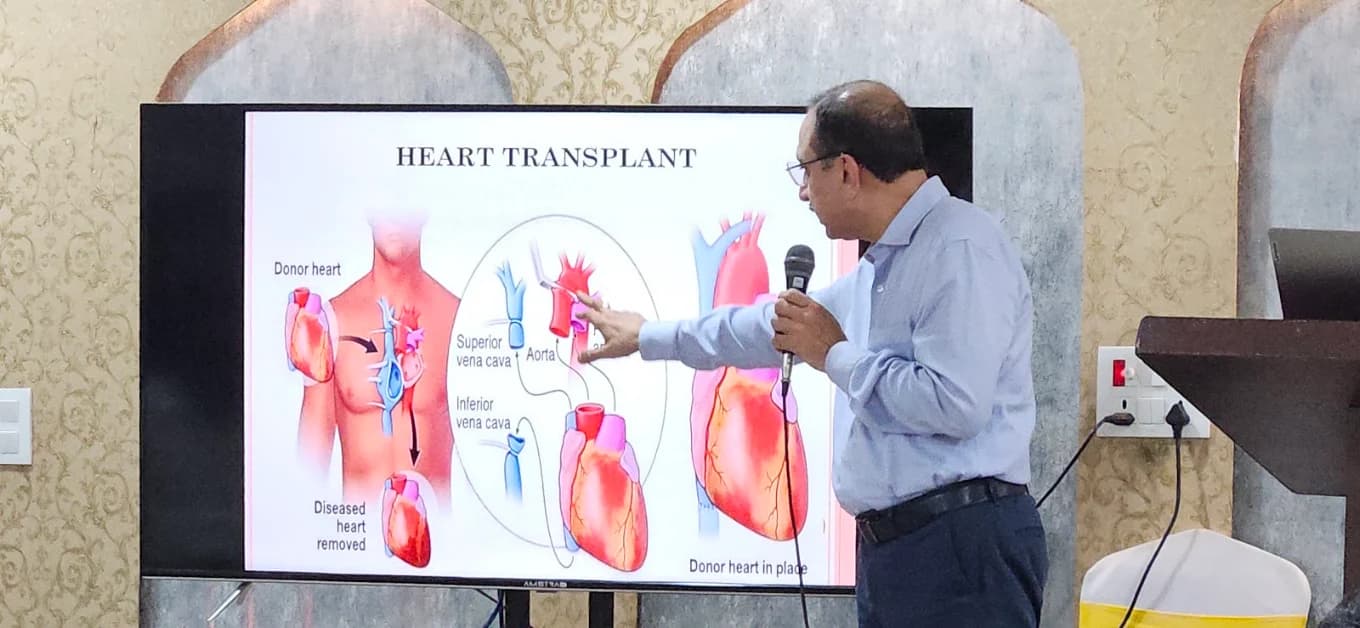

Atrial Fibrillation Surgery
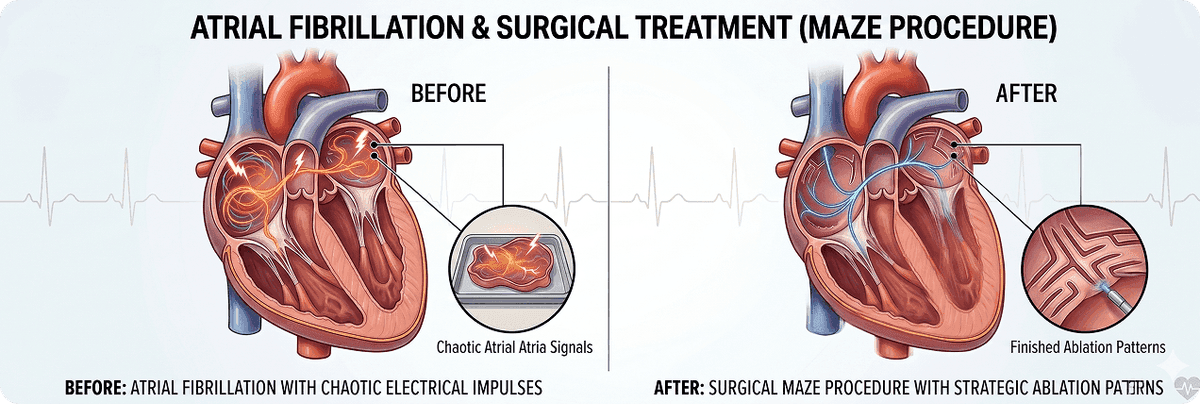
Atrial Fibrillation Surgery
Atrial fibrillation surgery isn't exactly one specific procedure. Atrial fibrillation (A-Fib) is a condition where the upper chambers of the heart, called the atria, beat irregularly and often very fast. There are two main surgical approaches to treat A-Fib:
How Atrial Fibrillation Surgery works:
The procedure is conducted under the guidance of highly experienced specialists.
Who needs Atrial Fibrillation Surgery?
This treatment is recommended for patients diagnosed with specific conditions.
Maze procedure: This is an open-heart surgery where the surgeon creates a pattern of scar tissue in the atria using an energy source (like radiofrequency waves or cryoablation) to block the abnormal electrical signals that cause A-Fib. The maze procedure is typically done during open-heart surgery for another reason, like valve replacement.
Minimally invasive ablation: This is a procedure where a catheter is inserted into a vein in the groin or leg and threaded up to the heart. Radiofrequency energy or cryoablation is then used to create small scars in the atria, which disrupts the abnormal electrical signals. There are different variations of this procedure depending on the specific approach used.
Point: Both procedures aim to interrupt the abnormal electrical signals causing A-Fib and restore a normal heart rhythm.
Success rates: The success rates for both maze procedures and minimally invasive ablation vary depending on the severity of the A-Fib and other factors.
Risks: As with any surgery, there are risks involved, such as bleeding, infection, and stroke.
Point: If you are considering atrial fibrillation surgery, it is important to talk to your doctor about the risks and benefits of the procedure to see if it is the right option for you.
Alternatives: Medication and lifestyle changes are often the first line of treatment for A-Fib. Surgery is typically considered for people who do not respond well to other treatments.
Recovery Timeline:
Recovery times vary depending on the patient's age and overall health status.
Clinical Monitoring: Immediate post-operative care with constant tracking of vital stats.
Rehabilitation: Tailored physical therapies to promote systemic healing.
Risks and complications:
As with all clinical surgical treatments, there are standard associated parameters to consider:
Minor localized discomfort
Mild inflammatory responses
Our clinical coordinators are available to answer all questions regarding your diagnosis, recovery pathways, and clinical pricing structures in India.

Meet Our Other Related Doctors
Our Trusted Network of India's Top Hospitals
We partner with top-tier hospitals across India, ensuring world-class infrastructure, expert specialists, and internationally recognized standards of care - so you receive safe, reliable, and high-quality treatment at every step.
Real Stories of Care and Recovery
Hear from patients who trusted us with their care and experienced successful treatment journeys with confidence and support.

From the very first moment, he were proactive and truly attentive. He immediately reached out to me personally, called me to understand my situation in detail, and took the time to clarify every single question I had. I ...
98%
Of Patients Recommended Noor Medicare